Rumini

Weight loss

Weight loss

Ozempic for Weight Loss: Who May Benefit and What to Expect

Weight loss medications have become an increasingly discussed option for people who have struggled to achieve lasting results through diet and physical activity alone. Among the medications that have attracted considerable attention is Ozempic, which contains semaglutide and is given as a once-weekly injection. Its effects on appetite, food intake, and blood sugar have also led many people to ask whether Ozempic is appropriate specifically for weight loss. There is an important distinction to understand in Canada. Ozempic is authorized for adults with type 2 diabetes to improve blood sugar control and for certain cardiovascular and kidney risk benefits in adults with type 2 diabetes, while Wegovy, which also contains semaglutide, is authorized for chronic weight management. That does not mean questions about Ozempic and weight loss are irrelevant. Semaglutide can affect appetite and food intake, and weight changes can occur during treatment. However, deciding whether a semaglutide medication is suitable for weight management should involve a healthcare professional who can assess your health, treatment goals, medications, and eligibility for an approved weight management option. How Does Semaglutide Support Weight Loss? Semaglutide is a medication that acts similarly to a naturally occurring hormone involved in appetite and blood sugar regulation. One of its effects is to help people feel fuller and reduce food intake, which can contribute to weight loss over time. The effect is not simply about making someone eat less for a few days. Weight management treatment is generally intended to work alongside sustainable changes in eating habits and physical activity. The goal is to support a broader approach that can be maintained over the long term rather than relying on medication alone. For people considering semaglutide, this distinction is important. Medication may help make weight management more achievable, but it does not replace nutritious food, regular movement, sleep, or ongoing medical care. Is Ozempic Approved for Weight Loss in Canada? This is one of the most important questions to clarify before starting treatment. In Canada, the approved indication for Ozempic is the once-weekly treatment of adults with type 2 diabetes to improve glycemic control. Its Canadian authorization has also expanded to include certain cardiovascular and kidney-related benefits for people with type 2 diabetes and specific health conditions. Wegovy is the semaglutide product authorized in Canada for chronic weight management. Health Canada describes Wegovy as a treatment used alongside a reduced-calorie diet and increased physical activity for appropriate patients with obesity or overweight and relevant health considerations. Because both products contain semaglutide, it is easy to assume that they are simply two names for the same treatment. They are related, but the approved indications, dosing programs, and product information are not identical. Your healthcare provider can determine which medication is appropriate for the reason you are seeking treatment. Who May Benefit From Semaglutide for Weight Management? Weight management medication is generally considered when excess weight is affecting health or when lifestyle changes alone have not provided enough improvement. A healthcare provider will usually consider factors such as body mass index, existing health conditions, previous weight management attempts, current medications, and your overall medical history. For example, a person living with obesity and a condition such as high blood pressure, abnormal cholesterol levels, or type 2 diabetes may have different treatment needs from someone who wants to lose a relatively small amount of weight for appearance alone. Medical treatment is intended to address health needs rather than provide a quick cosmetic solution. Your healthcare provider may also consider whether you can safely use a medication containing semaglutide. Certain medical conditions, previous reactions to related medications, pregnancy, and other factors can affect whether treatment is appropriate. Weight Is Only One Part of the Assessment A number on a scale does not tell the whole story. Two people who weigh the same amount may have very different health risks and treatment needs. Your healthcare provider may look at your waist measurement, blood pressure, blood sugar, cholesterol, medical history, family history, medications, eating patterns, and physical activity. This broader assessment helps determine whether medication is appropriate and what other support may be useful. The purpose of a medical weight management plan is not simply to reach a particular number. It is to improve health and create a realistic approach that can be maintained over time. What Can You Expect When Starting Semaglutide Treatment? If a healthcare professional determines that semaglutide is appropriate, treatment is generally introduced gradually. The dose is not normally started at the highest level because the body needs time to adjust to the medication. For weight management, the dosing schedule for Wegovy is gradually increased over several weeks before reaching the maintenance dose prescribed for treatment. This gradual approach can help improve tolerability and gives the healthcare provider an opportunity to assess how you are responding. The exact schedule should come from the product prescribed to you. It is important not to use an Ozempic dosing schedule as a substitute for the dosing instructions for Wegovy or another semaglutide product. What Happens to Appetite During Treatment? One of the changes people may notice with semaglutide is a reduction in appetite. Some people find that they feel full sooner or have fewer thoughts about food, while others notice changes more gradually. This can make it easier to reduce overall food intake without feeling that every meal requires significant willpower. However, the experience is different for each person, and not everyone responds in exactly the same way. A reduced appetite does not mean that you should stop eating or severely restrict your food intake. Your body still needs protein, fibre, vitamins, minerals, fluids, and other nutrients. A balanced eating pattern remains an important part of treatment. How Much Weight Can You Expect to Lose? There is no reliable way to predict exactly how much weight one person will lose. Results vary based on the medication used, the prescribed dose, treatment duration, eating habits, physical activity, medical conditions, and individual response. Clinical research involving semaglutide for chronic weight management has demonstrated

Weight loss

Branded vs. Generic Semaglutide in Canada: What Actually Changes?

Semaglutide has become an important treatment option for people managing type 2 diabetes and, in appropriate patients, chronic weight management. With generic semaglutide now authorized in Canada, more people may find themselves comparing a generic product with a familiar brand-name medication. The question is understandable: if both contain semaglutide, is there really any meaningful difference? The answer is more nuanced than simply saying that one is branded and the other is generic. Health Canada has authorized generic semaglutide products after reviewing their safety, effectiveness, quality, and pharmaceutical equivalence to the corresponding brand-name products. At the same time, patients can notice practical differences, particularly with the injection pen, packaging, inactive ingredients, availability, and price. If you are considering switching from branded to generic semaglutide in Canada, understanding those differences can help you have a more useful conversation with your prescriber or pharmacist. A lower price can be valuable, but cost should be considered alongside your current treatment response, the specific product being offered, and how comfortable you are with the new device. What Is Generic Semaglutide in Canada? Generic semaglutide is a version of a semaglutide medicine made by a different manufacturer from the company that developed the original brand-name product. The generic contains the same active ingredient and must meet Health Canada’s requirements before it can be authorized for sale. In 2026, Canada became the first G7 country to authorize a generic semaglutide product, and additional generic products have since been authorized. This is important because the word “generic” does not mean that a product is an untested or unofficial alternative. An approved generic medication has to go through a regulatory review. Health Canada evaluates whether the product meets the required standards for quality, safety, and effectiveness before authorization. There is also an important distinction between approved generic semaglutide and compounded semaglutide. They are not interchangeable terms. A compounded product is prepared by a compounding pharmacy under specific circumstances and is different from a generic medication that has received Health Canada authorization. Patients should know exactly which product has been prescribed or dispensed rather than assuming that every lower-cost version of semaglutide is a generic. Branded vs. Generic Semaglutide: What Stays the Same? The most important point is that an approved generic semaglutide product is intended to provide the same active medicine as its corresponding brand product. Health Canada reviews generic semaglutide submissions to determine whether they meet the applicable requirements for pharmaceutical equivalence and quality. This means the presence of a different manufacturer does not automatically mean that the medication will work differently. Your healthcare provider will still choose the product based on your medical needs, the indication being treated, the available strength, and your individual circumstances. You should not assume that every semaglutide product can be substituted for every other semaglutide product simply because the active ingredient has the same name. It is also worth remembering that semaglutide products can have different approved uses. For example, Ozempic is associated with the treatment of type 2 diabetes, while Wegovy is authorized for chronic weight management in appropriate patients. The specific product and indication matter when discussing a switch with your healthcare provider. What Actually Changes When You Switch to Generic Semaglutide? The biggest differences are usually practical rather than related to the main active ingredient. These differences can matter because injectable medication is something you use regularly, and even a small change in the way a device works can affect your day-to-day experience. The Injection Pen May Be Different One of the clearest changes can be the injection device. A generic semaglutide manufacturer does not necessarily use the same pen design, dose-selection system, needle setup, or injection mechanism as the brand-name product. This does not mean the medication is less effective. It simply means you may need to learn how the new pen works before using it. Ask your pharmacist or healthcare provider to demonstrate the device, especially if you are accustomed to a particular brand and its injection process. Do not rely only on memory from your previous pen. Read the instructions supplied with the new product and make sure you understand the dose, preparation steps, storage requirements, and injection process before your first use. Inactive Ingredients Can Vary A medication contains more than its active ingredient. It may also contain inactive ingredients that help maintain stability, preserve the formulation, or support the delivery of the medication. These ingredients can vary between manufacturers. For most people, this does not create a noticeable difference, but anyone with a known sensitivity or concern about a particular ingredient should review the product information with a pharmacist before switching. If you develop a new or unusual reaction after changing products, do not automatically assume that the medication has stopped working. Tell your healthcare provider what changed and when the symptoms started so they can determine the most appropriate next step. The Packaging and Instructions May Look Different A generic semaglutide product can look noticeably different from the brand you are used to. The box, pen, labelling, instructions, dose markings, and manufacturer information may all change. That visual difference can sometimes create unnecessary concern. Instead of judging the product by its packaging, check the product name, strength, active ingredient, and instructions provided by the pharmacy. If anything on the new package seems unclear, ask before taking the next dose. A short conversation with your pharmacist can help prevent mistakes when you are becoming familiar with a new product. Does Generic Semaglutide Work as Well as the Brand? For an authorized generic, the purpose of Health Canada’s review is to establish that the product meets the required standards for quality and performs appropriately compared with the corresponding reference product. Health Canada states that its review of generic semaglutide products includes evidence supporting their safety, effectiveness, and quality. That does not mean every person will have an identical experience after switching. Individual responses to medication can vary, and symptoms can also change because of factors unrelated to the manufacturer, such as diet, illness, other

Ozempic Dosage: Understanding Your Treatment Plan
Weight loss

Ozempic Dosage: Understanding Your Treatment Plan

Starting a prescription medication can raise many practical questions, especially when the treatment involves gradually increasing the dose. Ozempic dosage is designed to be adjusted over time rather than started at the highest available dose. Understanding why the dose changes, what each stage means, and what to do if you miss an injection can make your treatment plan easier to follow. Ozempic contains semaglutide and is a prescription medication used in Canada to help improve blood sugar control in adults with type 2 diabetes, alongside diet and exercise. The Canadian product monograph describes a once-weekly dosing schedule, beginning with a lower dose and increasing when appropriate. Your healthcare provider determines whether Ozempic is suitable for you and which dose fits your treatment needs. How Does Ozempic Dosage Work? Ozempic is taken once a week rather than every day. The treatment generally begins with a lower dose to help your body adjust before the dose is increased. According to the current Canadian product monograph, the usual starting dose is 0.25 milligrams once weekly for four weeks, followed by an increase to 0.5 milligrams once weekly. The lower starting dose is important because it gives your healthcare provider an opportunity to see how you tolerate the medication. It should not be treated as a dose that you can increase sooner simply because you feel comfortable. Your prescriber may recommend a different approach depending on your health, other medications, blood sugar levels, and response to treatment. Why Is Ozempic Started at a Lower Dose? Beginning with a lower dose can help make the adjustment to treatment more manageable. Digestive effects such as nausea, vomiting, diarrhea, constipation, and abdominal discomfort can occur with semaglutide, particularly as the body adjusts to treatment. Increasing the dose too quickly does not necessarily lead to better results. Instead, it can make side effects more difficult to manage. Following the prescribed schedule gives your healthcare provider a clearer picture of how you are responding before deciding whether a higher dose is appropriate. What Is the Usual Ozempic Dose Schedule? The Canadian Ozempic product monograph provides a step-by-step approach to dose adjustment. The usual schedule starts at 0.25 milligrams once weekly for four weeks, followed by 0.5 milligrams once weekly. If additional blood sugar control is needed, the dose may be increased to 1 milligram once weekly and, when appropriate, to 2 milligrams once weekly. Treatment stage Usual Ozempic dose Starting dose 0.25 mg once weekly After the first four weeks 0.5 mg once weekly If additional blood sugar control is needed 1 mg once weekly If further control is needed 2 mg once weekly This table describes the dosing schedule in the Canadian product monograph, not an individualized prescription. Your healthcare provider may decide that you should remain at a particular dose rather than increase it, depending on your response and treatment goals. Do not increase or decrease your Ozempic dosage without medical advice. Understanding the Ozempic Starting Dose The Ozempic starting dose is 0.25 milligrams once weekly for four weeks. This dose is intended to help your body become accustomed to semaglutide and is not considered a therapeutic dose for blood sugar control. After the first four weeks, the usual recommended dose is increased to 0.5 milligrams once weekly. The day you choose for your weekly injection can be any day that fits your treatment routine. Ozempic can be taken at any time of day, with or without food. Choosing a consistent day each week can make it easier to remember your injection. If your schedule changes, the Canadian product information allows the weekly injection day to be changed as long as there are at least two days between doses. It is still important to maintain the once-weekly schedule and avoid taking extra doses to compensate for a change in routine. When Is the Ozempic Dose Increased? A dose increase is based on your treatment response rather than simply the passage of time. After four weeks at 0.5 milligrams once weekly, your healthcare provider may consider increasing the dose to 1 milligram if additional blood sugar control is needed. If further control is required after treatment with 1 milligram, the dose may be increased to 2 milligrams once weekly. This approach gives your healthcare provider an opportunity to assess whether your current dose is doing what it needs to do. Your blood sugar levels, other diabetes medications, side effects, and overall health can all influence the decision. A higher dose is not automatically a better dose for every patient. The appropriate amount is the one prescribed for your individual circumstances, and changing the dose without guidance can increase the risk of unwanted effects. What Is the Ozempic Maintenance Dose? There is not one maintenance dose that applies to everyone. Some people may remain on 0.5 milligrams once weekly, while others may require 1 milligram or 2 milligrams once weekly when additional blood sugar control is needed. The appropriate maintenance dose depends on your response to treatment and the plan established by your healthcare provider. It can be tempting to compare your dose with someone else’s, particularly when Ozempic is discussed frequently online. However, another person’s dose does not tell you what dose you should take. Two people can use the same medication while having different treatment goals, other medications, health conditions, and responses. How Should Ozempic Be Taken? Ozempic is administered as a subcutaneous injection, meaning it is injected under the skin. The Canadian product information states that it should not be injected into a vein or muscle. Injection sites can include areas such as the abdomen, thigh, or upper arm, and rotating sites can help avoid repeatedly injecting into the exact same location. The medication can be taken with or without food, so you do not need to plan your injection around a meal. What matters more is maintaining your prescribed weekly schedule and using the pen according to the instructions supplied with your specific product. If you are using insulin as well as Ozempic, the

What Is the Cost of Mounjaro Treatments in Canada?
Weight loss

What Is the Cost of Mounjaro Treatments in Canada?

Mounjaro has become a widely discussed prescription treatment in Canada for people managing type 2 diabetes and exploring medical options for weight management. As more Canadians learn about this medication, one of the first questions they ask is, “How much does Mounjaro cost in Canada?” Understanding the price before starting treatment can help patients prepare financially and have better conversations with their healthcare providers. The cost of Mounjaro treatment in Canada can vary depending on the prescribed dosage, pharmacy pricing, insurance coverage, and individual healthcare needs. Some patients may have coverage through private insurance plans, while others may need to pay the medication cost themselves. Knowing the possible expenses involved can make the treatment process clearer and help patients plan ahead. At Rumini, patients can receive personalized support and guidance to understand their treatment options, including the expected costs and steps involved in starting a medically supervised plan. Understanding Mounjaro and Its Uses What Is Mounjaro? Mounjaro is a prescription medication that contains tirzepatide as its active ingredient. It is approved for improving blood sugar control in adults with type 2 diabetes. Healthcare providers may also recommend it for weight loss in eligible patients based on their health condition and individual treatment goals. The medication works by helping regulate blood sugar levels and supporting appetite control through specific hormone pathways in the body. Since every person responds differently to treatment, a healthcare provider will determine whether Mounjaro is a suitable option after reviewing medical history, current health concerns, and personal goals. Mounjaro is not a quick solution that works the same way for everyone. It is usually considered as part of a complete healthcare plan that may include healthy eating habits, physical activity, and regular medical follow-ups. How Much Does Mounjaro Cost in Canada? Mounjaro Price in Canada by Dosage Strength The price of Mounjaro in Canada depends mainly on the strength prescribed. Patients usually begin with a lower dose, and the dosage may be adjusted over time depending on their healthcare provider’s recommendations and treatment response. The following table provides an estimated overview of Mounjaro medication costs in Canada: Strength / Configuration Price 2.5 mg / 5 mg $382.88 7.5 mg / 10 mg $473.47 12.5 mg / 15 mg $581.18 Medication costs may vary depending on pharmacy pricing, dosage requirements, and individual treatment needs. These prices provide a general estimate of medication expenses, but the final amount paid by a patient may be different. Pharmacy fees, insurance benefits, and treatment requirements can all influence the total cost. Monthly Cost of Mounjaro Treatment For many patients, Mounjaro is an ongoing treatment, which means it is important to consider the monthly cost rather than only the initial prescription price. The amount a person pays each month depends on the dose they are prescribed and whether their insurance plan provides coverage. Patients should discuss their expected treatment timeline and costs with their healthcare provider. Having a clear understanding of the financial commitment can make it easier to continue treatment without unexpected concerns. Factors That Affect the Cost of Mounjaro in Canada Dosage Requirements The prescribed dose is one of the biggest factors that influences the cost of Mounjaro treatment. Lower strengths may have different pricing compared with higher strengths. Healthcare providers typically adjust doses based on how the patient responds and what is medically appropriate. Patients should not change their dosage without medical advice, even if they are trying to reduce costs. A healthcare provider can suggest the safest approach while considering both health needs and financial concerns. Pharmacy Pricing Differences The cost of Mounjaro may differ between pharmacies across Canada. Some online pharmacies may have different dispensing fees or pricing structures, which can affect the final amount paid at checkout. Before filling a prescription, patients may compare prices from licensed pharmacies to understand their available options. It is important to purchase prescription medication through reliable and approved sources to ensure safety and quality. Insurance Coverage Insurance coverage can significantly affect the out-of-pocket cost of Mounjaro. Some private insurance plans may cover part of the medication cost if certain conditions are met. Coverage requirements can vary depending on the insurance provider and the details of the plan. Patients should contact their insurance company to learn whether Mounjaro is included in their benefits. In some cases, additional documentation from a healthcare provider may be required before coverage is approved. Does Insurance Cover Mounjaro in Canada? Private Insurance Plans Many Canadians use private health insurance to help manage prescription medication expenses. Whether Mounjaro is covered depends on the individual insurance policy and the rules set by the provider. Some insurance plans may require prior approval before covering the medication. Patients may need to provide medical information showing why the treatment has been recommended. Checking insurance details early can help avoid unexpected costs. Provincial Healthcare Programs Public medication coverage in Canada differs between provinces and territories. Each program has its own eligibility requirements and guidelines for prescription coverage. Not every prescription medication is automatically covered under provincial programs. Patients should check the latest information from their provincial healthcare services or speak with a healthcare professional for guidance about available options. Additional Expenses to Consider With Mounjaro Treatment When planning for Mounjaro treatment costs, patients should consider more than just the medication price. Healthcare appointments, follow-up consultations, and medical monitoring may also be part of the overall treatment process. Some individuals may also choose additional support, such as nutrition guidance or lifestyle coaching, to help them build healthier routines alongside medication use. These services may have separate costs depending on the provider and the level of support required. Understanding the complete cost of treatment allows patients to make realistic plans and avoid surprises during their healthcare journey. How to Manage Mounjaro Treatment Costs Review Your Insurance Benefits Before starting treatment, review your insurance plan carefully. Understanding your coverage limits, approval process, and possible personal expenses can help you prepare for the cost of Mounjaro in Canada. If your insurance does not cover the medication,

Wegovy vs Mounjaro in Ontario
Weight loss

Wegovy vs Mounjaro in Ontario: Which Weight Loss Injection Is Right for You?

Choosing a prescription weight loss medication can feel overwhelming, especially when two popular options like Wegovy and Mounjaro are often discussed together. Both are weekly injections that may support weight management, but they contain different active ingredients and work in different ways. Understanding these differences can help you make a more informed decision when discussing treatment options with a healthcare provider. For people in Ontario, choosing a weight loss injection is not only about expected results. Your medical history, current medications, treatment goals, lifestyle, possible side effects, cost, and insurance coverage all play an important role. A treatment that works well for one person may not be the right choice for another. This guide explains the differences between Wegovy and Mounjaro, how they work, what factors to consider, and how to approach prescription weight management safely. Wegovy vs Mounjaro: What Is the Difference? Wegovy and Mounjaro are different prescription medications with different active ingredients. Wegovy contains semaglutide, while Mounjaro contains tirzepatide. Although both medications are used as weekly injections and may help with appetite control and weight management, they affect the body through different pathways. Wegovy works mainly through the glucagon-like peptide-1 pathway, which plays a role in appetite regulation, digestion, and feelings of fullness. Mounjaro works on both glucagon-like peptide-1 and glucose-dependent insulinotropic polypeptide pathways, which are involved in appetite and blood sugar regulation. The right choice between Wegovy and Mounjaro depends on your individual health needs. A healthcare provider can review your medical history, goals, and treatment options to determine whether either medication may be suitable for you. How Wegovy Works for Weight Management Wegovy contains semaglutide, a medication that can help influence hunger signals and increase feelings of fullness. For some people, this may make it easier to manage portion sizes and develop healthier eating patterns as part of a broader weight management plan. Treatment usually begins with a lower dose that is gradually adjusted based on how the body responds. This approach helps improve tolerability and allows the healthcare provider to monitor progress and side effects over time. People looking for a Wegovy weight loss prescription should understand that a proper medical assessment is required before starting treatment. A qualified healthcare professional needs to review your health history, current medications, and whether the medication is appropriate for your situation. How Mounjaro Works for Weight Management Mounjaro contains tirzepatide and works by affecting two hormone pathways involved in appetite control and blood sugar regulation. Because of this action, some patients may experience changes in hunger levels and feel satisfied with smaller amounts of food. Like Wegovy, Mounjaro is generally taken once a week, and treatment is usually adjusted gradually according to the healthcare provider’s guidance. Patients should follow their prescribed instructions and avoid changing their dose without medical advice. When considering Mounjaro weight loss treatment, it is important to understand that prescription decisions should be based on your personal health needs. A medication that provides good results for one individual may not offer the same experience for another person. Wegovy vs Mounjaro: Which One May Be Better for Weight Loss? Many people searching for information about Wegovy vs Mounjaro in Ontario want to know which medication provides better results. However, there is no single answer that applies to everyone. Clinical studies can show average outcomes, but individual results can vary depending on factors such as starting weight, health conditions, treatment consistency, diet, activity level, and response to medication. Weight loss results should not be the only factor considered when choosing treatment. A medication that supports weight loss but causes difficult side effects or is not affordable for long-term use may not be the most practical option. A healthcare provider can help you compare the possible benefits and risks of each medication. The goal is to choose an approach that supports your health, fits your lifestyle, and can be managed safely over time. Common Side Effects of Wegovy and Mounjaro Both Wegovy and Mounjaro may cause digestive-related side effects, especially when treatment begins or when the dose changes. Some people may experience nausea, constipation, diarrhea, vomiting, stomach discomfort, or changes in appetite. Many side effects improve as the body adjusts, but it is important to discuss any concerns with your healthcare provider. They can provide guidance on managing symptoms and determine whether treatment adjustments are needed. Your health history is also important when considering these medications. Before starting treatment, your healthcare provider should know about existing medical conditions, allergies, pregnancy plans, breastfeeding, and any prescription or non-prescription medications you take. What to Expect When Starting a Weight Loss Injection Starting a prescription weight loss medication involves more than taking a weekly injection. Treatment works best when combined with healthy habits, including balanced nutrition, regular movement, quality sleep, and ongoing medical support. As appetite changes, some people find that smaller meals and mindful eating become easier. The goal is not to follow extreme diets but to develop realistic habits that can continue over time. Regular follow-up appointments are an important part of treatment. These visits allow your healthcare provider to review your progress, discuss side effects, adjust treatment if needed, and make sure the medication continues to meet your needs. How Long Does It Take to See Results? Weight loss timelines can vary from person to person. Some individuals may notice changes in appetite early, while changes in body weight may take longer. The dose progression, treatment consistency, lifestyle habits, and individual response all influence results. It is important to focus on overall health improvements rather than only short-term changes on the scale. Progress may also include improved eating habits, better energy levels, increased confidence, or improvements in weight-related health concerns. Your healthcare provider can help you set realistic expectations and evaluate whether the treatment is providing meaningful benefits over time. What If Wegovy or Mounjaro Is Not the Right Choice? Not every patient responds to medication in the same way. Some people may experience side effects, limited results, cost concerns, or other challenges that make a specific

GLP-1 Prescription
Weight loss

How to Get a GLP-1 Prescription Online in Ontario

GLP-1 medications have quickly become one of the most talked-about medical treatments for weight management and metabolic health in Canada. Many people exploring medically supervised weight-loss treatments are now turning to virtual healthcare to access GLP-1 medications online in Ontario. Medications like Ozempic, Wegovy, and Mounjaro are increasingly prescribed to support weight loss, appetite control, blood sugar management, and obesity-related health conditions. But many patients still have questions about how the process works online, who qualifies, and whether virtual prescriptions are safe and legitimate. Here’s what Ontario residents should know before starting treatment. What Is a GLP-1 Medication? GLP-1 medications are prescription drugs designed to help regulate appetite, insulin response, digestion, and blood sugar levels. These medications work by mimicking hormones naturally produced in the body that help control hunger and fullness. As a result, many patients experience: reduced appetite fewer cravings improved portion control gradual weight loss better metabolic health Some of the most commonly prescribed GLP-1 medications in Canada include: Ozempic Wegovy Mounjaro Although these medications are often associated with weight loss, they are prescription medical treatments that should always be supervised by a qualified healthcare provider. Can You Get a GLP-1 Prescription Online in Ontario? Yes. Ontario residents can legally obtain a GLP-1 prescription online Ontario healthcare providers may offer through virtual consultations. Many clinics now provide telemedicine appointments that allow patients to: discuss symptoms and goals review medical history complete assessments online receive treatment recommendations obtain prescriptions if medically appropriate Virtual healthcare has made it easier for patients to access professional medical support without visiting a clinic in person. Who Qualifies for GLP-1 Medications? Eligibility depends on several factors, including: body weight BMI medical history diabetes status metabolic conditions previous weight-loss attempts GLP-1 medications are not suitable for everyone. A healthcare provider will typically evaluate: current medications digestive health hormone-related conditions cardiovascular risks family medical history Patients with certain conditions may not be ideal candidates for treatment. How the Online Prescription Process Works The process for getting a GLP-1 prescription online. Step 1: Book a Virtual Consultation Patients begin by scheduling an online medical appointment with a licensed healthcare provider. This consultation may involve: health questionnaires weight history discussion symptom review lifestyle assessment medication review Step 2: Medical Evaluation The provider determines whether GLP-1 treatment is appropriate based on: health goals BMI obesity-related conditions insulin resistance diabetes status In some cases, bloodwork or additional testing may be recommended. Step 3: Prescription Approval If medically appropriate, the provider may prescribe a GLP-1 medication such as: Ozempic Wegovy Mounjaro Patients are usually given dosage instructions and follow-up guidance. Step 4: Ongoing Monitoring Most reputable clinics provide ongoing support and monitoring to help patients: manage side effects track progress adjust dosage safely improve long-term results Medical supervision is important because these medications affect metabolism, digestion, and appetite regulation. Benefits of Online GLP-1 Consultations Many Ontario patients prefer virtual care because it offers: convenience privacy faster access to providers reduced travel time flexible scheduling Online consultations can also make ongoing follow-up appointments easier for busy patients. Common Side Effects of GLP-1 Medications Like any prescription medication, GLP-1 treatments can cause side effects. Common side effects may include: nausea bloating constipation diarrhea fatigue vomiting Symptoms are often temporary and may improve over time as the body adjusts to treatment. A healthcare provider can help determine whether dosage adjustments are needed. Are GLP-1 Medications Safe? GLP-1 medications are considered safe for many patients when prescribed appropriately and monitored by a qualified medical professional. However, these medications may not be suitable for individuals with: certain gastrointestinal disorders pancreatitis history some thyroid conditions pregnancy specific endocrine disorders This is why a proper medical evaluation is essential before starting treatment. Can You Get Ozempic Online in Ontario? Yes. Some licensed Ontario healthcare providers may prescribe Ozempic through virtual consultations when medically appropriate. However, not everyone automatically qualifies for Ozempic or other GLP-1 medications. Treatment decisions should always be based on individual medical assessments rather than online trends or social media popularity. Choosing a Reputable Online Clinic When looking for a GLP-1 prescription online patients should choose clinics that: use licensed Canadian healthcare providers provide medical assessments offer follow-up care prioritize patient safety explain risks and side effects clearly Patients should avoid websites offering medications without medical consultations or proper assessments. Lifestyle Changes Still Matter GLP-1 medications can be highly effective, but long-term success still depends on sustainable lifestyle habits. Patients often achieve better outcomes when treatment is combined with: balanced nutrition exercise sleep improvement stress management long-term behavioral changes These medications are designed to support healthy lifestyle changes, not replace them. Final Thoughts Virtual healthcare has made it easier than ever for Ontario residents to access professional medical support for obesity and metabolic health. However, the safest and most effective approach is always personalized medical care with proper monitoring and follow-up. If you are exploring GLP-1 medications in Ontario, Rumini offers virtual consultations and medically supervised treatment plans tailored to your health goals. Frequently Asked Questions Can I get a GLP-1 prescription online in Ontario? Yes, licensed healthcare providers in Ontario may prescribe GLP-1 medications through virtual consultations. What medications are considered GLP-1 treatments? Common GLP-1 medications include Ozempic, Wegovy, and Mounjaro. Do I need diabetes to qualify? Not always. Some patients may qualify for obesity or weight-management treatment without diabetes. Are online GLP-1 consultations safe? They can be safe when provided by licensed medical professionals who offer proper assessments and follow-up care. What are the common side effects? Common side effects include nausea, bloating, constipation, diarrhea, and fatigue. How long does it take to see results? Many patients begin noticing appetite changes and gradual weight loss within the first few weeks of treatment. Can GLP-1 medications help with appetite control? Yes. These medications are designed to help regulate hunger and improve feelings of fullness. Is ongoing monitoring important? Yes. Regular follow-up appointments help ensure safe dosing, progress tracking, and side-effect management.

Mounjaro vs Ozempic vs Wegovy in Canada — A Doctor Explains
Weight loss

Mounjaro vs Ozempic vs Wegovy in Canada — A Doctor Explains

Weight loss medications have become one of the biggest topics in modern medicine, especially in Canada where more patients are looking for safe, medically supervised ways to manage obesity, insulin resistance, and metabolic health. Three names dominate the conversation: Mounjaro, Ozempic, and Wegovy. Although these medications are often grouped together, they are not the same. They work differently, produce different results, and may be better suited for different patients depending on health history, weight-loss goals, diabetes status, and tolerance to side effects. Here’s what Canadians should know before considering any GLP-1 medication. What Are GLP-1 Medications? Ozempic and Wegovy belong to a class of medications called GLP-1 receptor agonists. These medications mimic a natural hormone in the body that helps regulate: appetite blood sugar digestion insulin response feelings of fullness Mounjaro works slightly differently. It targets both: GLP-1 receptors GIP receptors Because of this dual-action mechanism, many studies show that Mounjaro may produce greater weight loss than Ozempic or Wegovy for some patients. These medications are not “magic injections.” They are prescription treatments intended to support long-term metabolic and weight management when combined with lifestyle changes. Ozempic: Originally Designed for Type 2 Diabetes Ozempic contains semaglutide and was initially approved to help patients with Type 2 diabetes improve blood sugar control. However, many patients began experiencing significant weight loss while taking it, which led to widespread popularity for obesity treatment. Benefits of Ozempic Helps reduce appetite Slows stomach emptying Improves blood sugar control Weekly injection Strong evidence for cardiovascular benefits in diabetic patients Typical Weight Loss Many patients lose approximately 10–15% of body weight over time when combined with proper nutrition and exercise. Potential Side Effects Common side effects include: nausea constipation vomiting diarrhea fatigue bloating These side effects are usually strongest during dose increases. Wegovy: Higher-Dose Semaglutide for Weight Loss Wegovy contains the same active ingredient as Ozempic (semaglutide), but it is specifically approved for chronic weight management. The key difference is dosage. Wegovy is prescribed at higher doses designed specifically for obesity treatment rather than diabetes management. Benefits of Wegovy FDA-approved specifically for obesity Significant appetite suppression Strong long-term weight-loss data Weekly injection Can help reduce obesity-related health risks Typical Weight Loss Clinical trials showed average weight loss of approximately 15% or more in many patients. Who May Benefit Most? Wegovy may be appropriate for: patients with obesity patients with weight-related medical conditions individuals struggling with appetite control people who have not achieved results through lifestyle changes alone Mounjaro: The Newest and Most Powerful Option? Mounjaro contains tirzepatide, which works on both GLP-1 and GIP receptors. This dual-action approach is why many physicians consider it one of the most promising medications currently available for obesity and metabolic health. Benefits of Mounjaro Often produces greater weight loss Strong appetite suppression Improved insulin sensitivity Weekly injection May help patients who did not respond adequately to semaglutide Typical Weight Loss Some clinical studies showed average weight loss exceeding 20% in certain patients under medical supervision. Why Patients Are Interested Mounjaro has gained major attention because many patients experience: faster weight reduction stronger appetite control improved metabolic markers However, stronger effects may also mean stronger side effects for some individuals. Which Medication Causes the Most Weight Loss? In general: Mounjaro often produces the greatest average weight loss Wegovy typically performs better than Ozempic for obesity treatment Ozempic remains extremely effective, especially for diabetic patients However, the “best” medication depends on the individual. Some patients tolerate semaglutide better than tirzepatide. Others may experience stronger side effects on one medication compared to another. Are These Medications Safe? For many patients, GLP-1 medications are safe when prescribed and monitored appropriately. However, they are not suitable for everyone. These medications may not be recommended for patients with: certain gastrointestinal conditions pancreatitis history specific endocrine disorders pregnancy certain thyroid cancer risks A proper medical assessment is essential before starting treatment. Common Myths About Weight Loss Injections These medications are cheating Obesity is a complex medical condition involving hormones, metabolism, appetite signaling, genetics, and insulin resistance. Medical treatment can be appropriate and evidence-based. You can eat anything while taking them Weight loss medications work best when paired with: nutrition improvements exercise sleep optimization long-term lifestyle habits Everyone gains the weight back Long-term success depends on maintenance strategies, follow-up care, nutrition, activity, and sustainable behavioral changes. Which One Is Right for You? There is no universal “best” medication. The right choice depends on: your medical history current weight diabetes status insurance coverage side-effect tolerance treatment goals physician recommendations Some patients respond exceptionally well to Ozempic. Others achieve better outcomes with Wegovy or Mounjaro. The most important factor is proper medical supervision and individualized treatment planning. Final Thoughts Mounjaro, Ozempic, and Wegovy are transforming obesity and metabolic medicine in Canada. These medications can help patients achieve meaningful improvements in: weight blood sugar cardiovascular risk energy levels overall health But they are not one-size-fits-all solutions. A personalized medical assessment is the best way to determine which treatment may be safest and most effective for your goals. If you are considering GLP-1 medications in Canada, the team at Rumini can help you explore medically supervised weight-loss options tailored to your individual health needs. Frequently Asked Questions Is Mounjaro better than Ozempic for weight loss? Mounjaro may help some patients lose more weight due to its dual-action formula, but results vary by individual. What is the difference between Wegovy and Ozempic? Both contain semaglutide, but Wegovy is specifically approved for weight loss and uses higher doses. Which medication works fastest? Some patients experience faster appetite suppression and weight loss with Mounjaro. Are these medications safe? They are generally safe when prescribed and monitored by a healthcare provider. Do I need diabetes to take these medications? No. Some GLP-1 medications are also prescribed for obesity and weight management. What are the common side effects? Common side effects include nausea, constipation, bloating, diarrhea, and fatigue. Will I regain weight after stopping? Weight regain can happen without long-term lifestyle and nutrition changes. Which medication is

Weight loss

Ozempic, Wegovy, or Generic Semaglutide: Which GLP-1 Medication Is Right for You?

GLP-1 medications have transformed the way many people approach weight management and type 2 diabetes treatment. Medications like Ozempic, Wegovy, and generic semaglutide are becoming increasingly popular across Canada for their ability to support appetite control, blood sugar management, and long-term weight loss. But with multiple options available, many patients wonder which medication is the best fit for their goals, budget, and health needs. At Rumini, we help patients better understand their treatment options so they can make informed decisions with confidence. Here’s a closer look at how Ozempic, Wegovy, and generic semaglutide compare. What Is a GLP-1 Medication? GLP-1 receptor agonists are medications designed to mimic a natural hormone in the body called glucagon-like peptide-1. These medications help: Reduce appetite Slow stomach emptying Improve blood sugar control Increase feelings of fullness Support gradual weight loss Semaglutide is the active ingredient found in both Ozempic and Wegovy. Generic semaglutide versions are designed to provide similar effects at a lower cost. What Is Ozempic? Ozempic is primarily approved for managing type 2 diabetes, but it is also widely prescribed off-label for weight loss. It is given as a once-weekly injection and has become one of the most recognized GLP-1 medications worldwide. Benefits of Ozempic Helps lower blood sugar levels Supports moderate to significant weight loss Convenient once-weekly dosing May improve cardiovascular health in some patients Potential Drawbacks Can be expensive without insurance Common side effects include nausea, constipation, and fatigue Weight-loss dosing may be lower compared to Wegovy Ozempic is often a strong option for individuals managing both diabetes and excess weight. What Is Wegovy? Wegovy contains the same active ingredient as Ozempic but is specifically approved for chronic weight management. Wegovy uses higher-dose semaglutide and is intended for people with obesity or weight-related health conditions. Benefits of Wegovy Specifically designed for weight loss Higher dosing may produce greater weight reduction Once-weekly injection schedule Can help reduce appetite significantly Potential Drawbacks Higher doses may increase digestive side effects Availability can sometimes be limited Cost may be higher without coverage For patients focused mainly on weight management, Wegovy may provide stronger appetite suppression and more noticeable weight-loss results. What Is Generic Semaglutide? Generic semaglutide is a lower-cost version designed to offer similar effects to brand-name GLP-1 medications. In Canada, interest in generic semaglutide continues to grow as patients look for more affordable treatment options. Benefits of Generic Semaglutide Lower cost compared to brand-name medications Similar active ingredient and treatment goals Increased accessibility for patients without insurance Potential Drawbacks Availability may vary depending on region and pharmacy supply Not all products are identical in formulation Patients should ensure they obtain medications from trusted healthcare providers Generic semaglutide may appeal to patients who want the benefits of GLP-1 treatment while managing medication costs more effectively. Which Medication Is Best for Weight Loss? Weight-loss results can vary depending on the individual, dosage, lifestyle habits, and consistency of treatment. However, studies generally show that higher-dose semaglutide therapies like Wegovy may produce greater average weight reduction compared to lower-dose options. That said, successful weight management still depends on: Nutrition habits Physical activity Sleep quality Stress management Ongoing medical supervision No medication works as a standalone solution. Long-term lifestyle changes remain essential for sustainable results. Common Side Effects of GLP-1 Medications Most GLP-1 medications share similar side effects, especially during the first few weeks of treatment. Common side effects may include: Nausea Vomiting Bloating Constipation Diarrhea Reduced appetite Fatigue These symptoms often improve gradually as the body adjusts. Eating smaller meals and avoiding greasy or sugary foods may help reduce discomfort. How to Choose the Right Option The best GLP-1 medication depends on your individual health goals, medical history, and budget. You may consider: Ozempic if you have type 2 diabetes and want additional weight-loss support Wegovy if your primary goal is chronic weight management Generic semaglutide if affordability and accessibility are major priorities A healthcare provider can help determine which option aligns best with your needs and monitor your progress safely. Final Thoughts Ozempic, Wegovy, and generic semaglutide all offer promising benefits for weight management and metabolic health. While they share similarities, the right choice depends on your treatment goals, health conditions, lifestyle, and financial considerations. At Rumini, we believe personalized care is essential for long-term success. Understanding your options and working closely with qualified healthcare professionals can help you choose a GLP-1 treatment plan that supports healthier, more sustainable results over time.

Woman consulting a doctor about her weight loss medication program at Rumini.
Weight loss

What Foods Should You Avoid While Taking Ozempic or Wegovy?

Medications like Ozempic and Wegovy have become popular options for people looking to manage weight and improve blood sugar control. These GLP-1 medications work by slowing digestion, reducing appetite, and helping you feel fuller for longer. While they can be highly effective, the foods you eat during treatment can significantly impact your comfort, results, and overall experience. At Rumini, we often hear patients ask which foods may worsen side effects or interfere with progress. The good news is that you do not need a perfect diet. However, avoiding certain foods can help reduce nausea, bloating, stomach discomfort, and energy crashes while supporting healthy weight loss. 1. Fried and Greasy Foods Fried foods are one of the most common triggers for digestive discomfort while taking Ozempic or Wegovy. Because these medications slow stomach emptying, greasy meals can sit in the stomach longer and increase symptoms like nausea, acid reflux, and bloating. Foods to limit include: French fries Fried chicken Fast food burgers Deep-fried snacks Heavy creamy sauces Instead, choose grilled, baked, or air-fried alternatives whenever possible. 2. Sugary Foods and Drinks Sugary foods may lead to rapid blood sugar spikes followed by crashes, leaving you feeling tired and hungry again. Some people taking GLP-1 medications also notice that highly sweet foods worsen nausea. Try to reduce: Soda and sugary beverages Candy and chocolate bars Pastries and donuts Ice cream Sweetened coffee drinks Choosing healthier snacks such as fruit, Greek yogurt, or nuts can help stabilize energy levels and support long-term weight management. 3. Large Portion Meals One major change people notice with semaglutide medications is reduced appetite. Eating large meals despite feeling full can cause stomach pain, vomiting, or severe discomfort. Rather than eating three oversized meals daily, try: Smaller portions Slower eating habits Balanced meals with protein and fiber Healthy snacks between meals if needed Listening to your body’s fullness signals is extremely important while using Ozempic or Wegovy. 4. Highly Processed Foods Highly processed foods are often packed with refined carbohydrates, unhealthy fats, sodium, and additives that may leave you feeling sluggish or bloated. Examples include: Packaged snack foods Instant noodles Processed meats Frozen fast-food meals Chips and crackers Whole foods such as vegetables, lean proteins, legumes, and whole grains are generally easier on digestion and better for maintaining healthy weight loss results. 5. Alcohol Alcohol may increase the risk of dehydration, low blood sugar, and stomach irritation while taking GLP-1 medications. Some people also notice increased nausea after drinking alcohol during treatment. If you choose to drink, moderation is key. Staying hydrated and avoiding alcohol on an empty stomach may help reduce side effects. 6. Carbonated Drinks Carbonated beverages can contribute to bloating and stomach pressure, especially since Ozempic and Wegovy already slow digestion. Drinks to limit include: Soft drinks Sparkling water in excess Energy drinks Beer Plain water, herbal teas, and electrolyte drinks are often gentler choices for hydration. 7. Spicy Foods Spicy foods do not affect everyone the same way, but many patients report increased heartburn or stomach discomfort after eating heavily spiced meals during semaglutide treatment. If you notice symptoms after spicy foods, consider reducing: Hot sauces Spicy fried foods Extra chili-heavy dishes Pepper-loaded snacks Milder seasonings may help improve comfort while your body adjusts to the medication. Best Foods to Focus On Instead Rather than focusing only on restrictions, it helps to prioritize foods that support digestion, energy, and muscle maintenance during weight loss. Good choices include: Lean proteins like chicken, fish, eggs, and tofu Fiber-rich vegetables Fruits in moderation Whole grains Healthy fats like avocado and olive oil Plenty of water Protein is especially important because reduced appetite can sometimes lead to muscle loss if nutritional intake becomes too low. Tips for Reducing Ozempic or Wegovy Side Effects Here are a few simple habits that may help: Eat slowly Stop eating when full Stay hydrated throughout the day Avoid lying down immediately after meals Keep meals smaller and balanced Avoid skipping meals completely Many digestive side effects improve gradually as the body adapts to the medication. Final Thoughts Ozempic and Wegovy can be valuable tools for weight management and metabolic health, but your eating habits still play an important role in your success. Avoiding greasy foods, sugary drinks, oversized meals, and heavily processed foods may help reduce side effects while improving overall results. At Rumini, we believe sustainable weight management starts with personalized care, realistic nutrition habits, and ongoing medical support. Making small, consistent dietary changes while using GLP-1 medications can help you feel better, stay comfortable, and achieve healthier long-term outcomes.

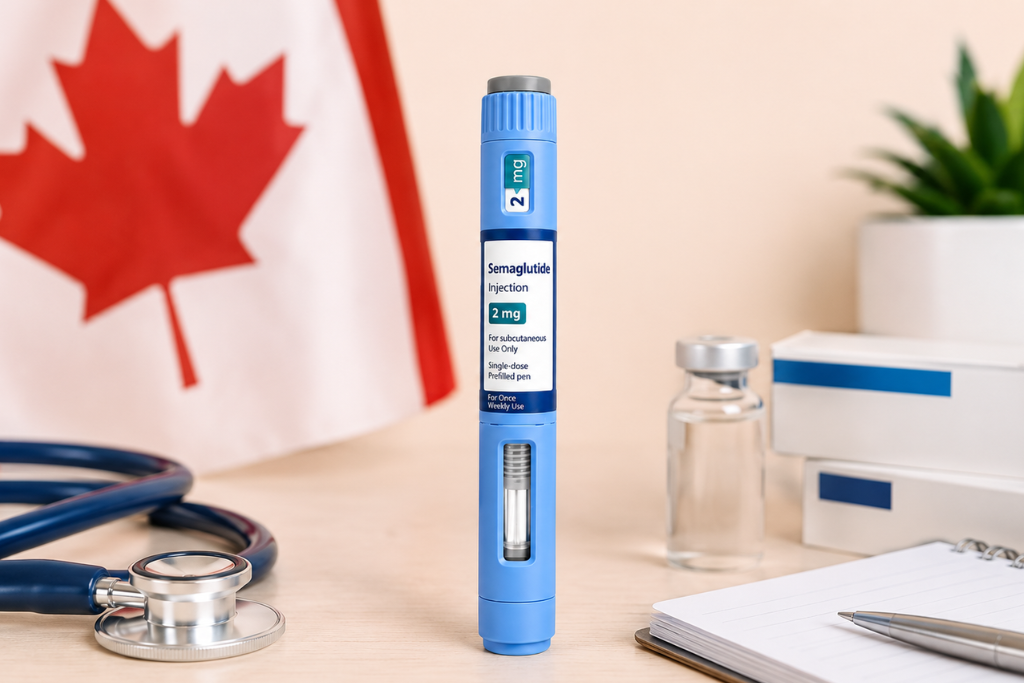
Canada’s Generic Semaglutide Approval: Key Facts for Patients
Weight loss

Canada’s Generic Semaglutide Approval: Key Facts for Patients

Canada recently made headlines by becoming the first G7 country to approve generic semaglutide, marking a major advancement in diabetes care and treatment accessibility. This milestone opens doors for more options and broader access for Canadian patients managing type 2 diabetes. In this article, we’ll explore what this approval means, the availability of generics, how it affects treatment, and why it matters for patients. What Is Semaglutide and Why It Matters Semaglutide is a once-weekly injectable medication initially developed as a brand-name drug, with Ozempic being the most widely known version. It belongs to a class of medications called GLP-1 receptor agonists, which help control blood sugar in patients with type 2 diabetes. In addition to blood sugar management, semaglutide has shown benefits for weight management and cardiovascular risk reduction. While brand-name versions have been highly effective, they have often been less accessible due to limited availability. The approval of generic semaglutide represents a significant step in improving access to this important therapy. Health Canada Approves Generic Semaglutide On April 28, 2026, Health Canada issued its first approval for a generic semaglutide injection, marking a historic moment for Canada and G7 countries. Shortly afterward, a second generic version from Apotex, a Canadian manufacturer, received approval. These approvals mean that Canada is now leading other G7 nations in providing generic options for semaglutide, which could transform access to diabetes care and long-term management options. How Generic Semaglutide Works Generic semaglutide contains the same active ingredient as the brand-name drug and works in the same way. It stimulates GLP-1 receptors in the pancreas to improve insulin production in response to meals, slows gastric emptying to help regulate appetite, and reduces glucagon release, all of which contribute to better blood sugar control. Because generic versions must demonstrate bioequivalence to the original medication, patients can expect similar safety and efficacy. Who Can Benefit from Generic Semaglutide Generic semaglutide is indicated primarily for patients with type 2 diabetes who require medication to manage their blood sugar levels. It may also be prescribed off-label by healthcare providers for patients seeking support with weight management, though this use is not its primary approved indication. Healthcare providers will determine suitability based on individual patient needs, health history, and treatment goals. Availability and Accessibility Generic semaglutide will gradually become available in Canadian pharmacies following Health Canada approval. Distribution and pharmacy stocking are in progress, ensuring that patients will have multiple options once the medications are released. Telehealth platforms are also playing an increasing role in providing access, allowing patients in remote areas to obtain prescriptions and guidance from healthcare providers without traveling long distances. The Importance of Canada’s Generic Semaglutide Approvals Canada’s approval of generic semaglutide represents a global leadership moment. While other countries are still navigating patent expiries and regulatory hurdles, Canadian patients now have access to generics. This enhances patient choice, broadens accessibility, and supports long-term health outcomes for those managing diabetes. For healthcare providers, these approvals provide additional tools for treatment planning, potentially improving adherence and patient satisfaction by offering alternatives that meet individual needs. Rumini’s Take on Access to Generic Semaglutide  At Rumini, we emphasize accessible and informed healthcare. The availability of generic semaglutide is an important step forward in making effective diabetes treatment more attainable for all Canadians. Patients and providers alike should stay informed about these developments to make the best decisions for care management. Frequently Asked Questions What is generic semaglutide? Generic semaglutide is a medication containing the same active ingredient as brand-name semaglutide, used primarily to treat type 2 diabetes. It is approved by Health Canada and meets the same safety and efficacy standards as the brand. When will generic semaglutide be available in Canada? Following Health Canada approval in April and May 2026, generics are gradually becoming available in pharmacies across Canada. Telehealth services may also offer access once prescriptions are issued. Is generic semaglutide as effective as the brand version? Yes. Health Canada requires generic medications to demonstrate bioequivalence, meaning they deliver the same clinical benefits as the original medication. Can I use generic semaglutide for weight management? While generic semaglutide is approved for type 2 diabetes, some healthcare providers may prescribe it off-label for weight management. Patients should discuss individual suitability with their provider. Do I need a prescription to use generic semaglutide? Yes. A licensed healthcare provider must prescribe generic semaglutide, ensuring it is safe and appropriate for each patient. Are there any differences between generic versions? All approved generics contain the same active ingredient and meet bioequivalence standards. Minor differences may exist in packaging, delivery devices, or inactive ingredients, but clinical effectiveness remains the same. Will more generic versions be approved in the future? Yes. Health Canada is reviewing additional generic semaglutide applications, which will increase availability and provide patients with more options.

Scroll to Top